 Spark Prime Network blog news
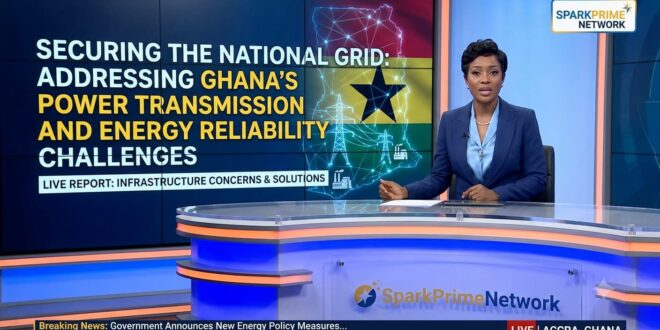
Electricity stability remains a cornerstone of economic growth, industrial expansion, and digital transformation in Ghana power grid stability. However, recurring technical disturbances across the National Interconnected Transmission System operated by the Ghana power grid stability Company Limited (GRIDCo) have brought transmission constraints and power security back into national debate.
From right-of-way encroachments along transmission corridors to generation plant trips, understanding the factors behind Ghana power grid stability–instability is essential for building a resilient power sector.
1. Key Vulnerabilities in Ghana’s Power Transmission System
⚡ Grid Transmission Bottlenecks
While Ghana boasts adequate total generation capacity, transmitting power seamlessly from southern generation hubs to central and northern distribution zones remains a key bottleneck. Overloaded transmission lines and aging substation transformers create localized trip risks when demand spikes.
🏗️ Right-of-Way Encroachments
Encroachment along high-voltage transmission lines poses significant operational and physical safety risks. Unregulated structures built beneath grid corridors obstruct routine maintenance, increase line trip risks, and complicate essential infrastructure upgrades.
🛢️ Fuel Supply & Financial Incompatibilities
Gas supply disruptions along regional pipelines and financial liquidity challenges within the power value chain directly impact thermal plant operations. When gas volumes drop, generation units trip, creating sudden system frequency fluctuations that destabilize the national grid.
Power Flow Chain:
Generation Plants ➔ High-Voltage GRIDCo Lines ➔ Distribution Sub-stations ➔ End Users
                          │
                   [ Transmission Trip ]
                          │
               ➔ Widespread System Outage
2. Strategies for Long-Term Power Security
To ensure an uninterrupted power supply across domestic, industrial, and commercial sectors, stakeholders emphasize three core interventions:
| Focus Area | Strategic Action | Expected Impact | ||
| Grid Infrastructure Modernization | Re-conductoring transmission lines and upgrading transformer substations. | |||
| Increases transmission throughput and reduces line loss. | ||||
| Corridor Protection | Enforcing strict right-of-way buffer zones along transmission routes. | Prevents accidental grid trips and ensures maintenance access. | ||
| Fuel Diversity & Storage | Expanding domestic gas storage capacity and solar power integration. | Mitigates thermal plant supply shocks and balances peak load demand. |
The Path Forward
Securing Ghana power grid stability requires a dual approach: immediate capital investment in transmission infrastructure alongside strict enforcement of right-of-way regulations. As industrial power demand grows, a stable and resilient national Ghana power grid stability will remain vital for driving sustainable economic expansion.
For full coverage and expert commentary on the latest technical investigations into grid reliability, check out the GRIDCo Investigates Nationwide Power Disturbance After Major Outage report on YouTube.
This video provides important context on how engineers and energy analysts are addressing power transmission disruptions to safeguard electricity stability across Ghana.