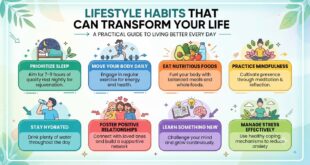
 Spark Prime Network blog news
Modern life moves at an incredible pace. Between demanding careers, family obligations, financial responsibilities, and the constant stream of information from our digital devices, it’s easy to feel overwhelmed. Many people chase success but forget to care for the very foundation that makes success meaningful a balanced lifestyle.
Living well isn’t about having the biggest house, the newest car, or the most expensive wardrobe. True lifestyle success is measured by your health, happiness, relationships, personal growth, and peace of mind. A balanced lifestyle allows you to enjoy life while building a strong future.
In this comprehensive guide, you’ll discover practical strategies to improve every aspect of your daily life, helping you become healthier, more productive, and more fulfilled.
What Is a Balanced Lifestyle
A balanced lifestyle means giving appropriate attention to every important area of life rather than focusing exclusively on one. While priorities may change depending on your circumstances, balance generally includes:
- Physical health
- Mental and emotional well-being
- Career and education
- Family and relationships
- Financial stability
- Personal development
- Recreation and leisure
- Community involvement
When one area is neglected for too long, it can affect the others. Balance is about making intentional choices that support long-term well-being.
Why Lifestyle Choices Matter
Every day, we make hundreds of decisions. Individually, they may seem insignificant, but over time they shape our lives.
Healthy lifestyle choices can:
- Improve physical fitness
- Boost mental clarity
- Increase energy levels
- Strengthen relationships
- Reduce financial stress
- Improve productivity
- Support long-term happiness
- Lower the risk of chronic illnesses
Small improvements, repeated consistently, often produce greater results than drastic changes that are difficult to maintain.
Build Healthy Habits One Step at a Time
One of the biggest mistakes people make is trying to change everything at once. Sustainable improvement comes from gradual progress.
Start with one habit, such as:
- Drinking more water
- Walking for 20–30 minutes each day
- Reading before bed instead of scrolling on your phone
- Preparing healthy meals at home
- Going to bed at the same time every night
Once a habit becomes part of your routine, add another. Over months and years, these habits create a healthier lifestyle.
Nourish Your Body with Better Nutrition
Food fuels every function in your body. A balanced diet provides the nutrients needed for energy, growth, and overall health.
Aim to include:
- Colorful vegetables and fruits
- Whole grains
- Lean proteins
- Healthy fats from foods such as avocados, nuts, and seeds
- Plenty of water throughout the day
Reduce your intake of highly processed foods, sugary snacks, and beverages with added sugars. Healthy eating doesn’t mean giving up your favorite meals it means enjoying them in moderation while making nutritious choices most of the time.
Stay Active Every Day
Exercise is one of the most effective ways to improve both physical and mental health.
Benefits of regular activity include:
- Better cardiovascular health
- Stronger muscles and bones
- Improved mood
- Higher energy levels
- Better sleep
- Reduced stress
- Increased confidence
You don’t need an intense fitness routine. Walking, cycling, dancing, swimming, yoga, or bodyweight exercises at home can all support a healthy lifestyle.
Make Sleep a Priority
Quality sleep is essential for recovery, concentration, and emotional well-being.
To improve your sleep:
- Keep a consistent bedtime
- Avoid caffeine late in the day
- Reduce screen time before bed
- Create a cool, quiet sleeping environment
- Establish a relaxing nighttime routine
Adults generally benefit from seven to nine hours of sleep each night.
Protect Your Mental and Emotional Health
Mental wellness is just as important as physical health. Chronic stress and emotional exhaustion can affect every aspect of your life.
Healthy practices include:
- Mindfulness or meditation
- Deep breathing exercises
- Keeping a journal
- Talking with trusted friends or family
- Seeking professional support when necessary
- Spending time in nature
- Taking regular breaks during busy days
Looking after your mental health helps you respond more effectively to life’s challenges.
Strengthen Your Relationships
Meaningful relationships provide support, encouragement, and a sense of belonging.
To build stronger connections:
- Listen actively when others speak
- Communicate honestly and respectfully
- Spend quality time together
- Celebrate achievements
- Offer help when someone needs it
- Resolve disagreements calmly
Healthy relationships contribute greatly to long-term happiness.
Manage Your Time Wisely
Time is one of life’s most valuable resources.
Improve your time management by:
- Planning your day in advance
- Prioritizing important tasks
- Breaking large projects into smaller steps
- Avoiding unnecessary multitasking
- Scheduling time for rest and recreation
Effective planning helps reduce stress and creates more opportunities to enjoy life.
Create Healthy Financial Habits
Financial well-being plays a significant role in overall lifestyle satisfaction.
Good financial habits include:
- Following a monthly budget
- Saving consistently
- Building an emergency fund
- Avoiding unnecessary debt
- Investing for long-term goals
- Tracking your spending
Financial discipline creates greater freedom and peace of mind.
Reduce Digital Distractions
Technology offers many benefits, but constant connectivity can reduce productivity and increase stress.
Consider these strategies:
- Set daily screen-time limits
- Turn off non-essential notifications
- Schedule device-free meals
- Avoid checking your phone immediately after waking
- Take regular breaks from social media
Spending less time online often creates more opportunities for meaningful experiences in the real world.
Keep Learning Throughout Life
Personal growth doesn’t end after school.
Expand your knowledge by:
- Reading books
- Taking online courses
- Learning practical skills
- Listening to educational podcasts
- Attending workshops
- Exploring new hobbies
Lifelong learning keeps your mind active and opens doors to new opportunities.
Find Joy in Simple Moments
Happiness isn’t always found in major achievements. Often, it’s found in everyday experiences.
Take time to appreciate:
- Morning sunshine
- A home-cooked meal
- Conversations with loved ones
- A favorite book
- Music that lifts your mood
- Quiet moments of reflection
- Acts of kindness
Learning to enjoy simple pleasures can make daily life more satisfying.
Give Back to Your Community
Helping others can improve your own sense of purpose.
You might:
- Volunteer locally
- Mentor someone
- Support charitable organizations
- Participate in community events
- Donate items you no longer need
Contributing to your community strengthens social connections and creates a positive impact.
Daily Habits for a Better Lifestyle
Incorporate these simple practices into your routine:
- Drink enough water.
- Eat balanced meals.
- Exercise regularly.
- Stretch during long periods of sitting.
- Read or learn something new.
- Spend time outdoors.
- Practice gratitude.
- Connect with family or friends.
- Get enough sleep.
- Reflect on your day before bed.
These habits may seem small, but they can have a significant cumulative effect over time.
Common Obstacles to Lifestyle Improvement
Everyone faces challenges when trying to make positive changes. Common obstacles include:
- Lack of motivation
- Busy schedules
- Financial limitations
- Fear of failure
- Unrealistic expectations
- Comparing yourself to others
The key is to focus on steady progress rather than perfection. Even small improvements are worth celebrating.
Creating a balanced lifestyle is an ongoing journey, not a destination. Every healthy meal, every walk, every meaningful conversation, and every thoughtful decision contributes to a better quality of life. By paying attention to your health, relationships, finances, personal growth, and emotional well-being, you can build a lifestyle that supports both success and happiness.
Start with one positive change today. Stay patient, remain consistent, and remember that lasting transformation comes from the habits you practice every day. A balanced lifestyle is not about doing everything perfectly it’s about making intentional choices that help you live a healthier, more meaningful, and more rewarding life.